Simple Step-by-Step Guide to Getting New Floors Installed the Right Way
The vinyl flooring installation process is fairly simple when done the right way. It starts with preparing the subfloor, making sure the surface is clean and level, and then laying the planks or sheets with care. Each step matters. When done correctly, your new floors can last for many years with little trouble.

What You Need Before Starting
Good preparation makes the job much easier. Before installing vinyl flooring, gather your tools and materials. You also need to check the condition of your subfloor. It must be dry, flat, and solid.
Here are common items most homeowners need:
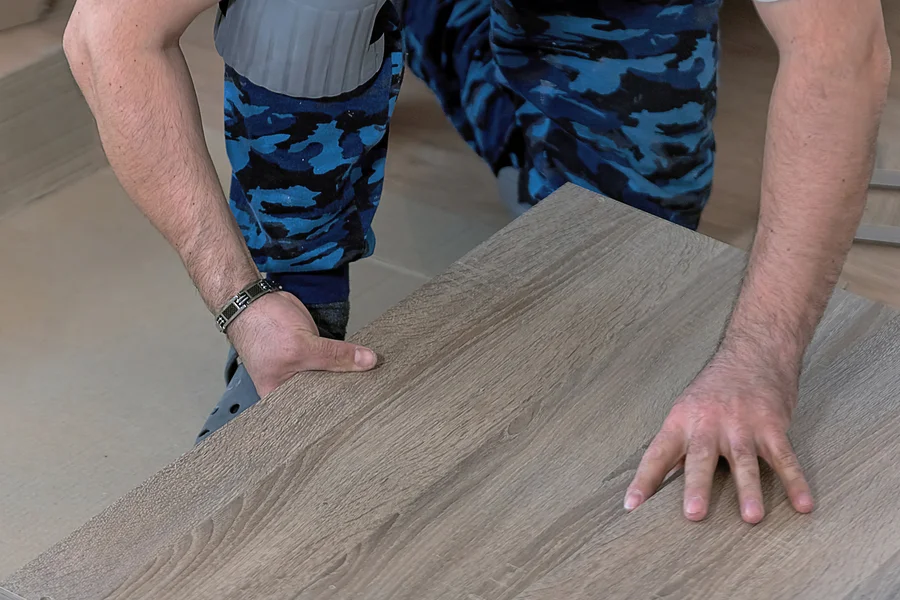
- Vinyl planks, tiles, or sheet flooring
- Measuring tape and pencil
- Utility knife
- Level
- Spacers
- Tapping block and rubber mallet
- Underlayment if required
If you are working with another type of service like hardwood or tile, the prep steps can differ. That is why it helps to follow the instructions made for vinyl flooring specifically.
Step-by-Step Installation Process
Most vinyl plank flooring uses a click-lock system. Some sheet vinyl uses adhesive. Always check the manufacturer’s directions. Below is a general overview of the process for plank flooring.
- Let the flooring adjust. Leave the boxes in the room for at least 48 hours. This helps the material adjust to temperature and humidity.
- Prepare the subfloor. Remove old flooring if needed. Sweep and vacuum. Use a level to check for dips or high spots.
- Install underlayment. Some vinyl flooring has padding attached. Others need a separate underlayment.
- Plan your layout. Start along the longest straight wall. Measure the room to avoid very thin pieces at the edges.
- Lay the first row. Use spacers along the wall for expansion gaps. Click the planks together tightly.
- Continue row by row. Stagger the seams for a natural look and stronger fit.
- Cut pieces as needed. Use a utility knife to score and snap planks to size.
- Install trim and baseboards. Remove spacers and cover the expansion gap.
Take your time with each row. Small mistakes can lead to gaps or uneven floors later.
Common Mistakes to Avoid
Even though vinyl flooring is known for being user-friendly, problems can still happen.
Here are mistakes that homeowners often make:
- Skipping subfloor prep
- Not leaving expansion gaps
- Installing over a wet surface
- Forcing planks into place
- Ignoring the room’s layout
A bumpy subfloor can cause planks to shift or crack. No expansion gap can lead to buckling. These issues may not show right away but can appear months later.
When to Call a Professional
Some spaces are harder than others. Bathrooms, kitchens, and basements often have moisture concerns. Older homes may have uneven floors. Large rooms with many corners also take more skill.
If your subfloor has damage, mold, or heavy slopes, it may need repair before new flooring goes down. Adhesive sheet vinyl also requires careful handling to avoid bubbles and wrinkles.
Hiring a trained crew for your vinyl flooring project can save time and stress. A professional installer can spot problems early and handle tricky cuts around cabinets and door frames. That often leads to a smoother finish and better long-term results.
Final Recommendation and Next Steps
If you want reliable vinyl flooring installation in Marlborough, MA, we are here to help. At Renu By Bruce Inc., we handle everything from subfloor prep to final trim so you do not have to stress about mistakes. We take pride in careful work and clean results. Call us at (617) 990-4108 to schedule a consultation and let us help you get floors that look great and last for years.